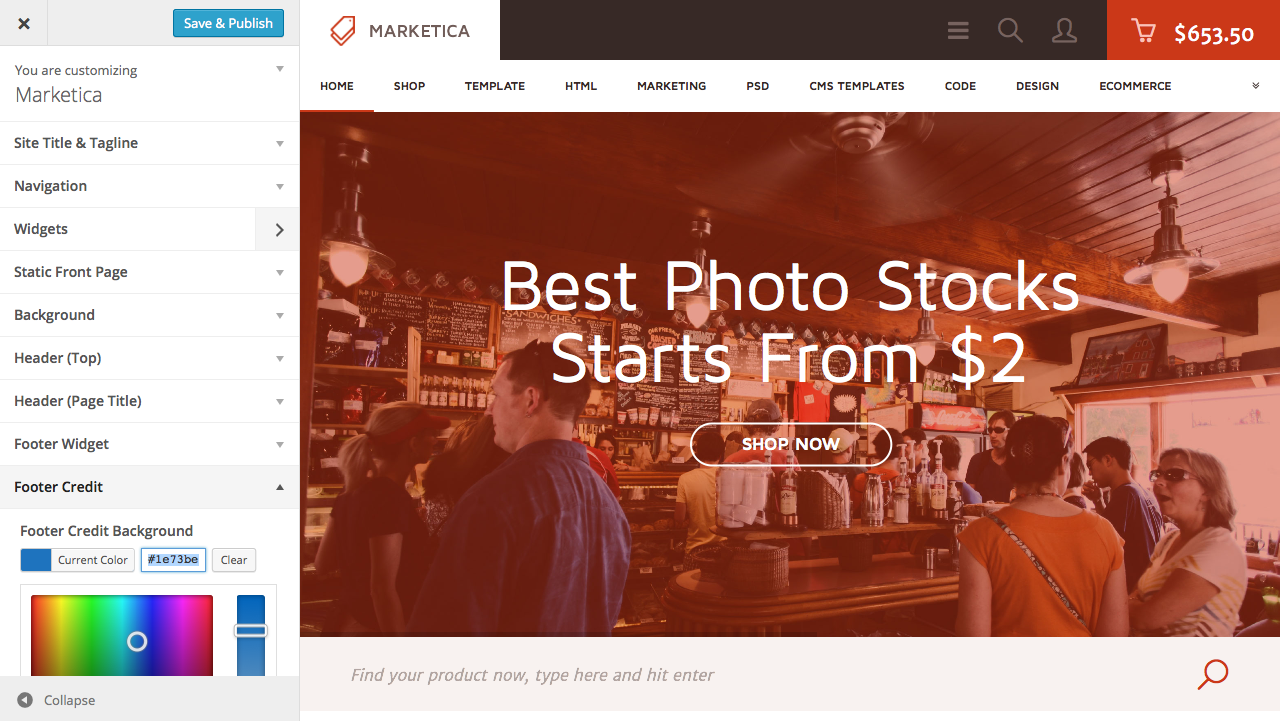

MARKETICA_PREVIEW/00-marketica-preview-sale37.jpg
MARKETICA_PREVIEW/01_marketica2_homepage.png
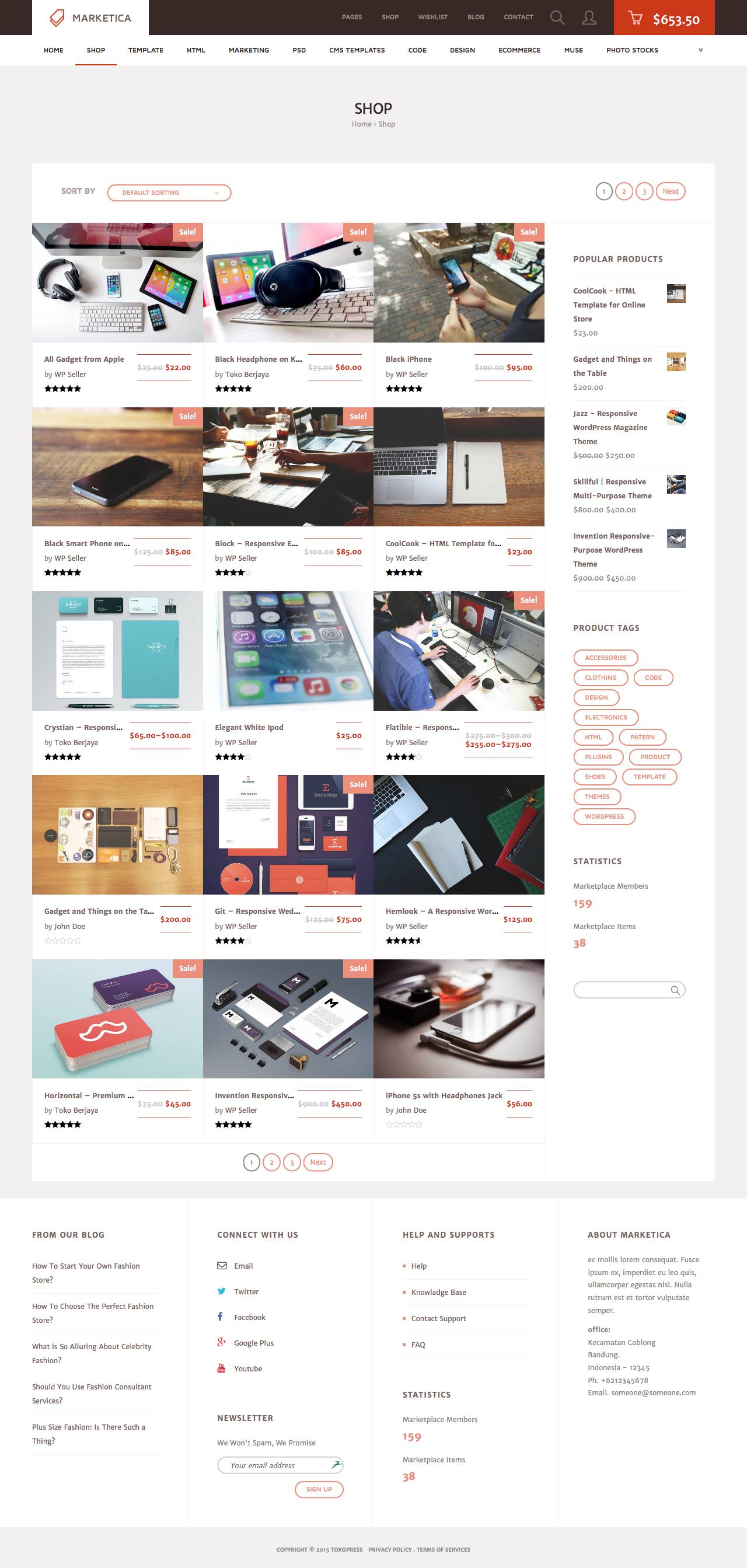
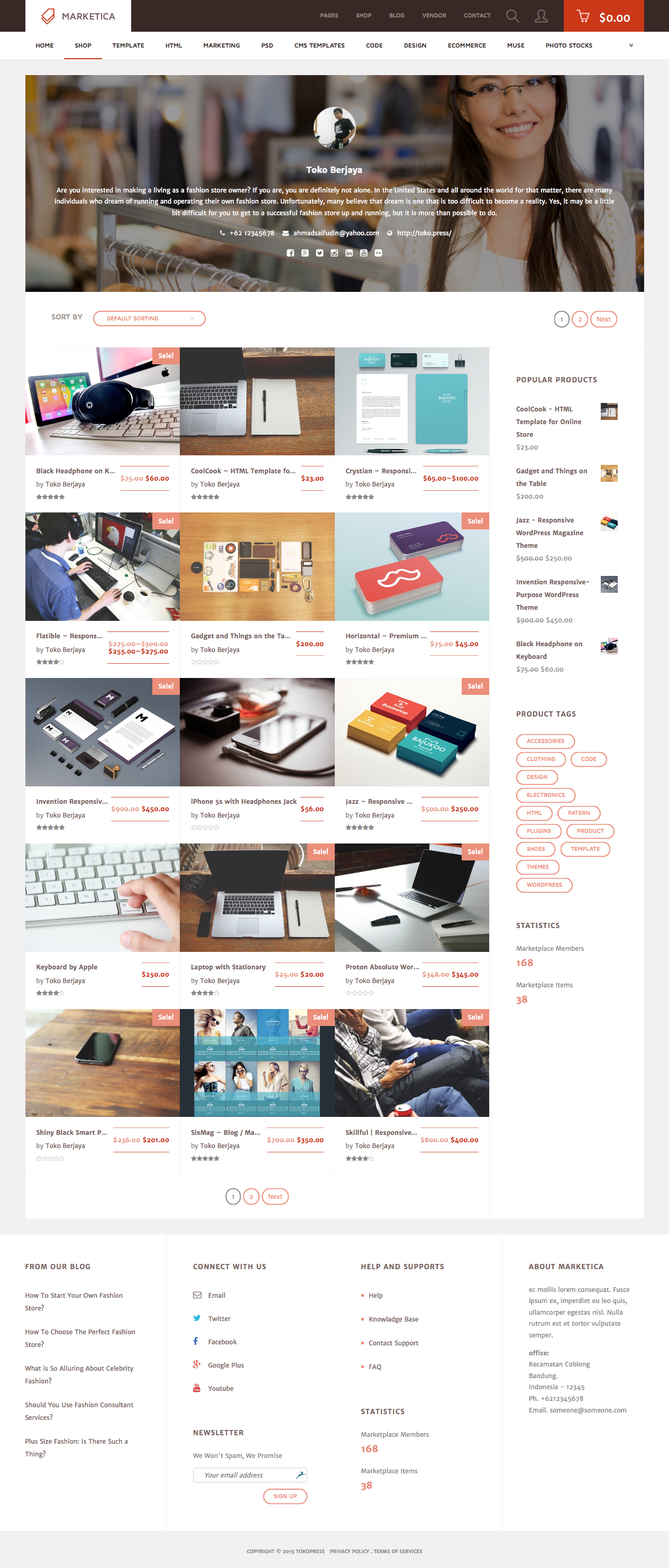
MARKETICA_PREVIEW/02_marketica2_shop_page.png
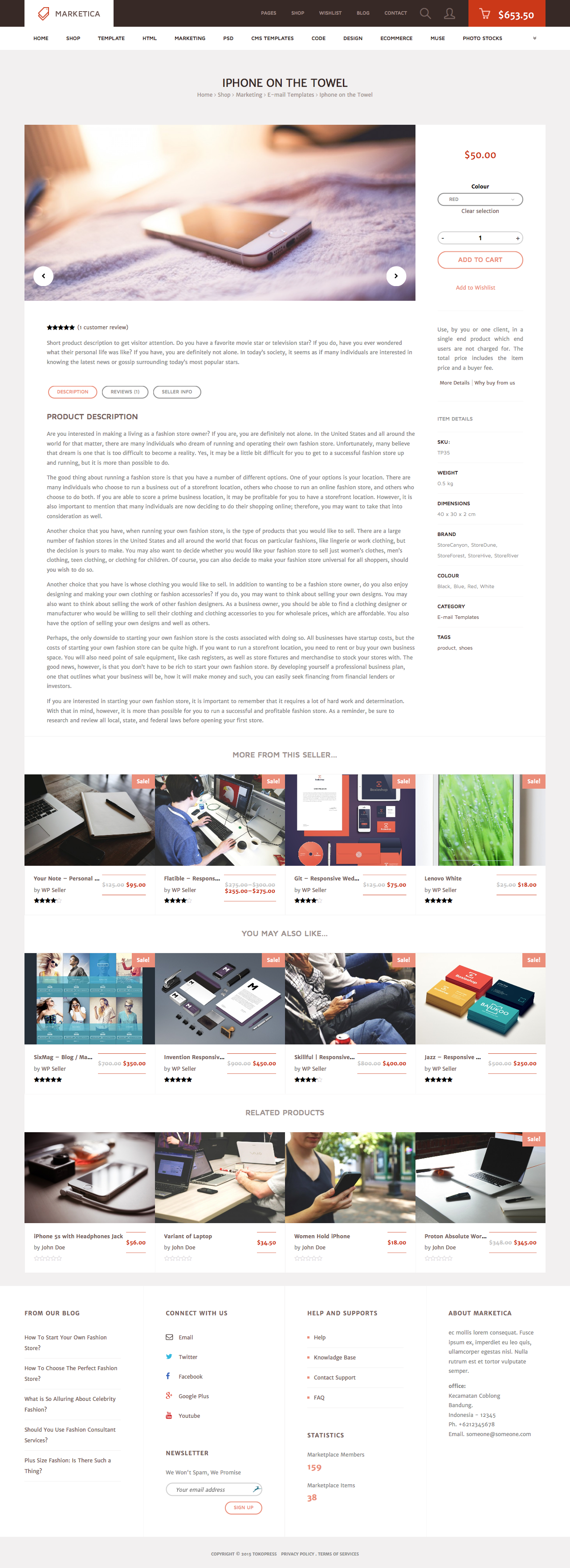
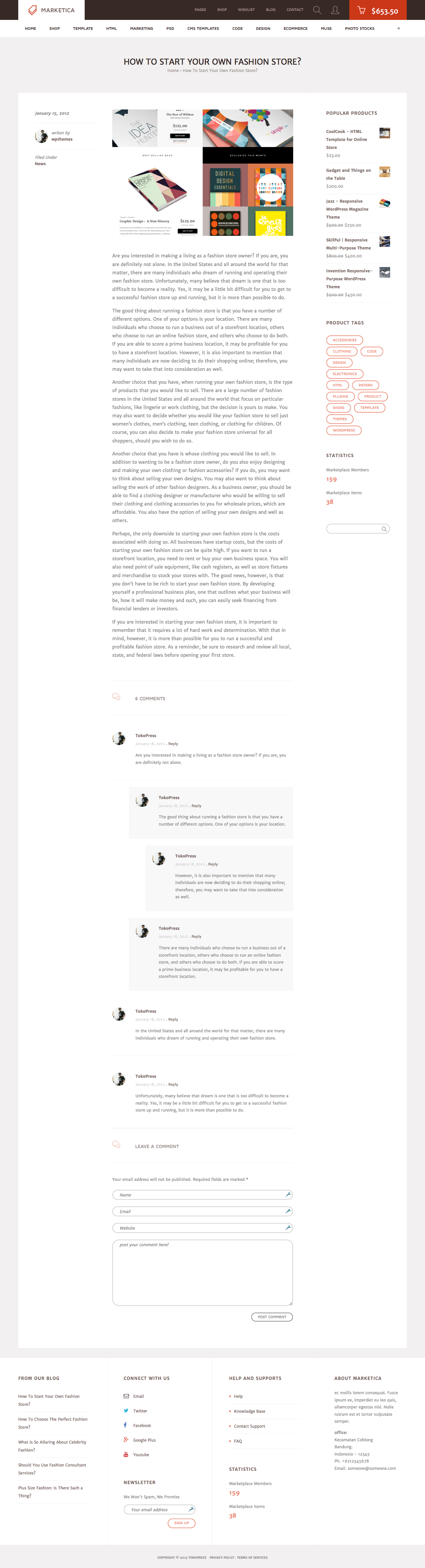
MARKETICA_PREVIEW/03_marketica2_single_product_page.png
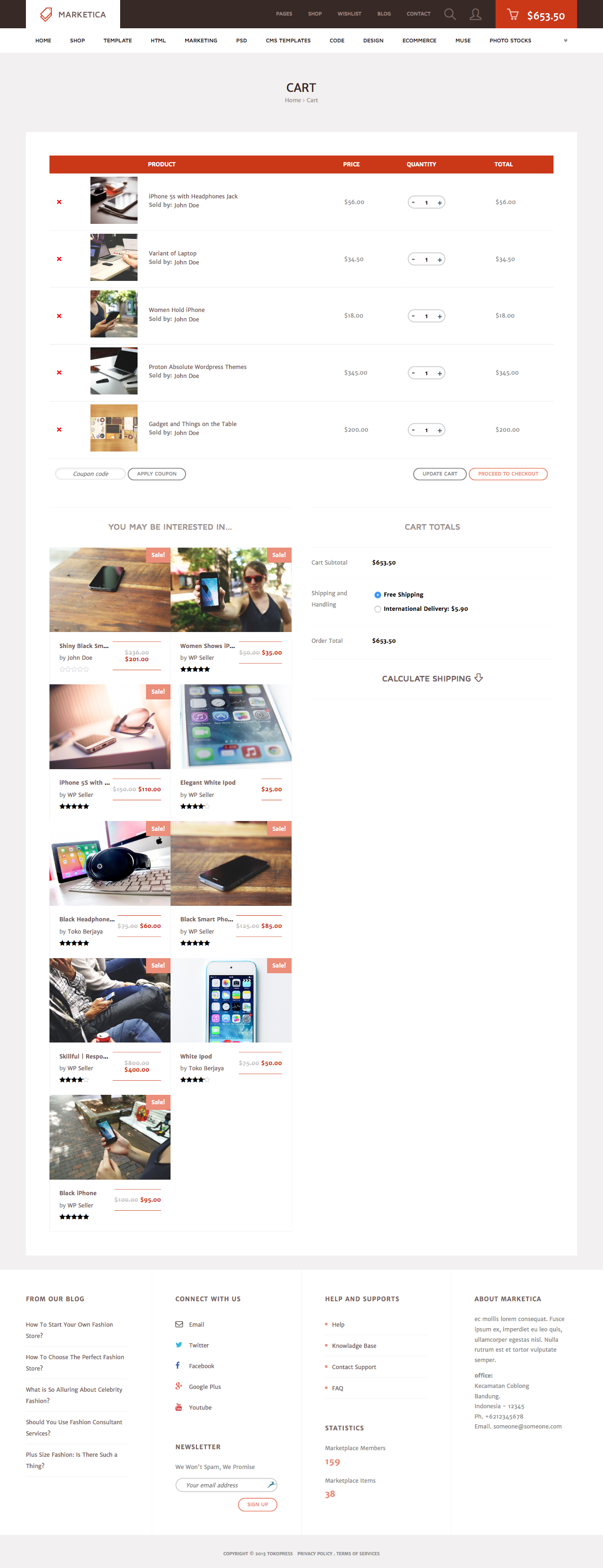
MARKETICA_PREVIEW/04_marketica2_cart_page.png
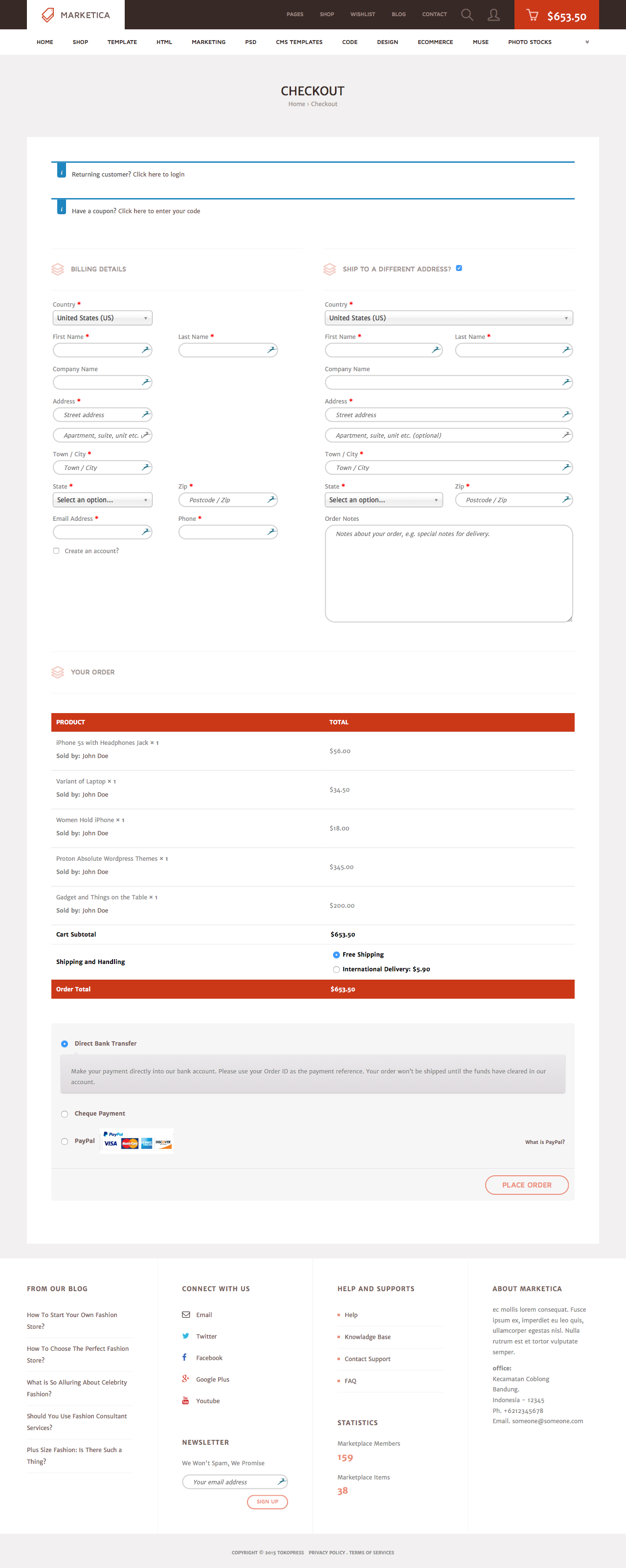
MARKETICA_PREVIEW/05_marketica2_checkout_page.png
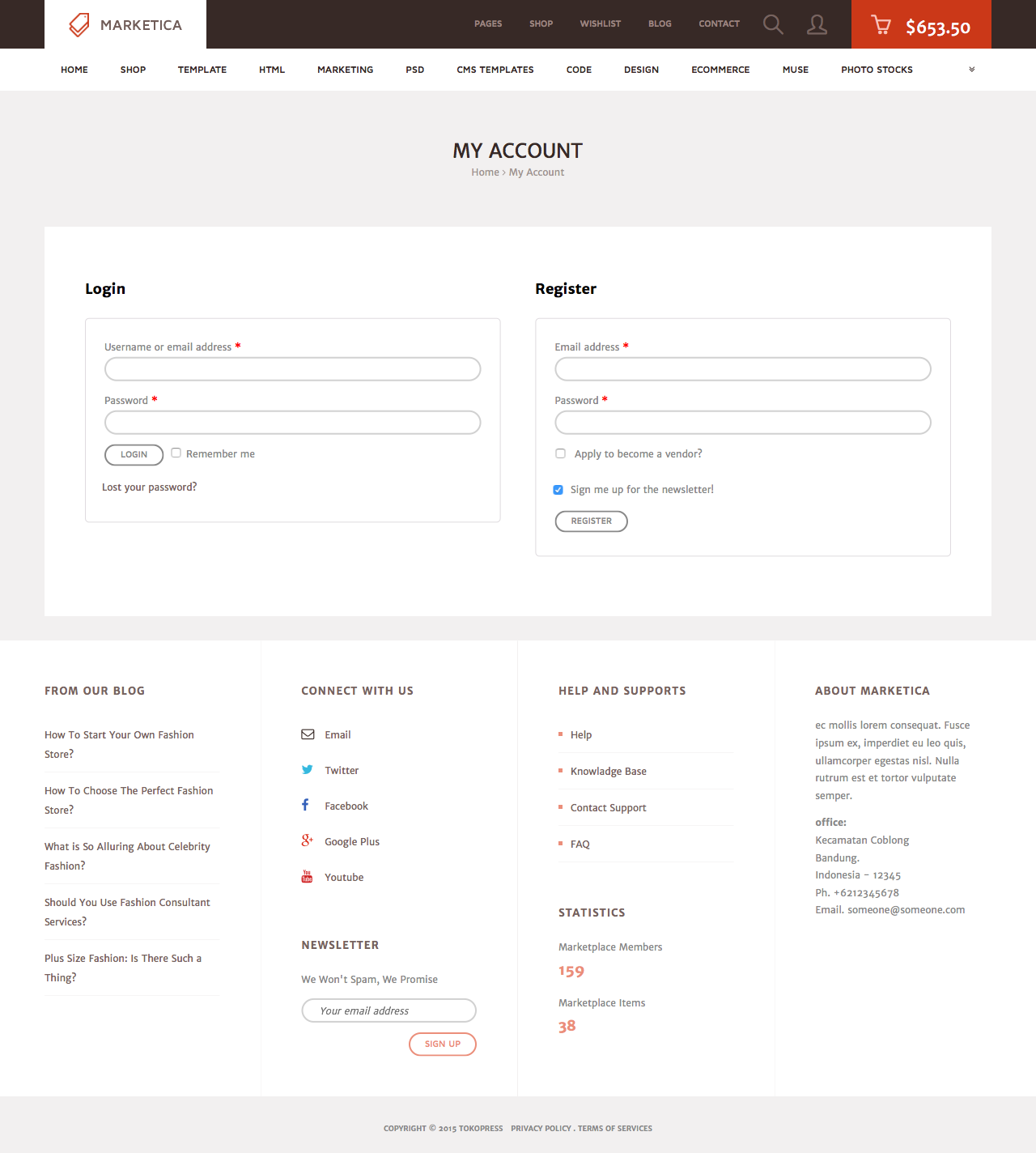
MARKETICA_PREVIEW/06_marketica2_myaccount_login_page.png
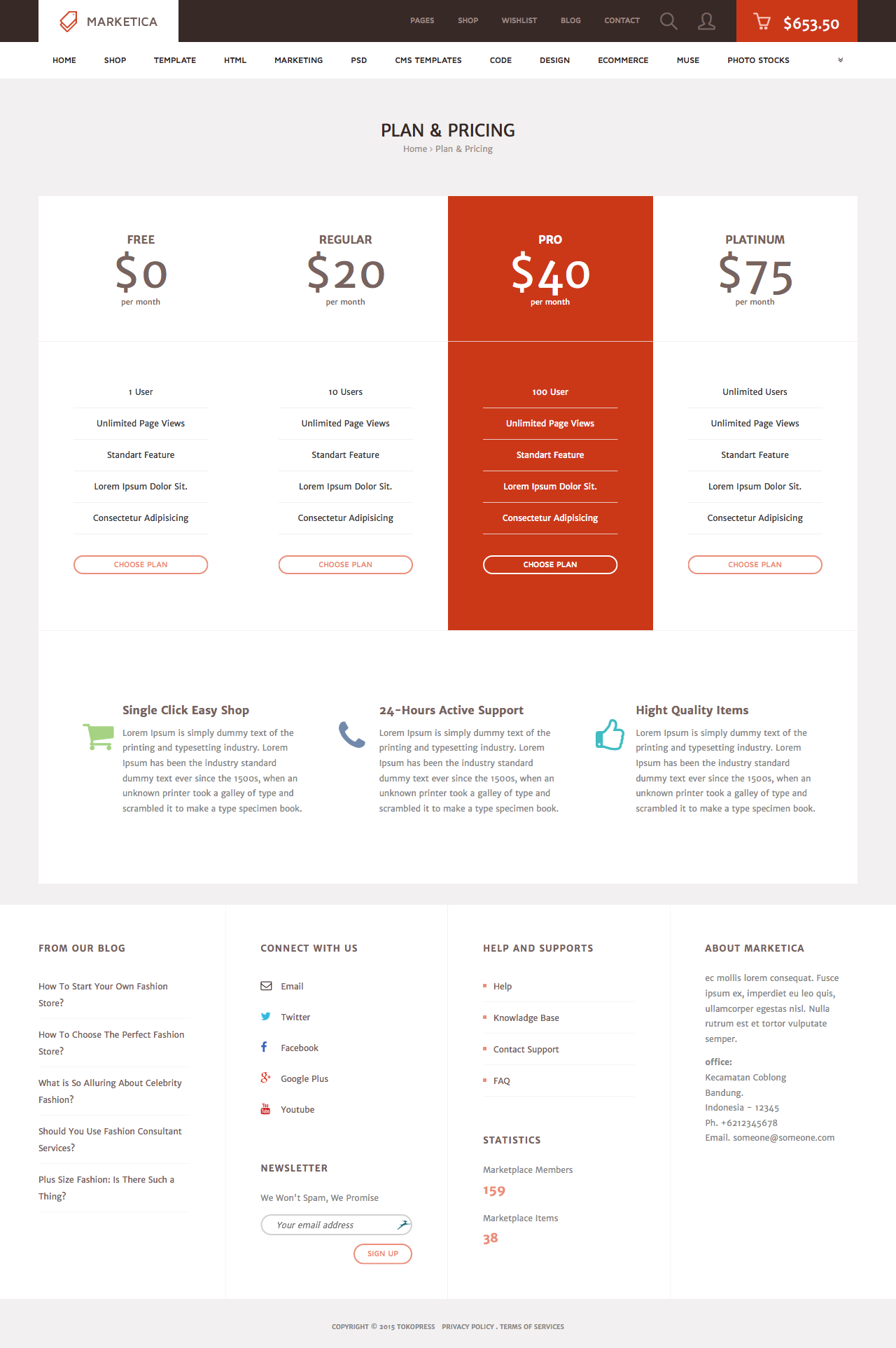
MARKETICA_PREVIEW/07_marketica2_plan_and_pricing_page.png
MARKETICA_PREVIEW/08_marketica2_team_members_page.png
MARKETICA_PREVIEW/09_marketica2_contact_page_template.png
MARKETICA_PREVIEW/10_marketica2_blog_page.png
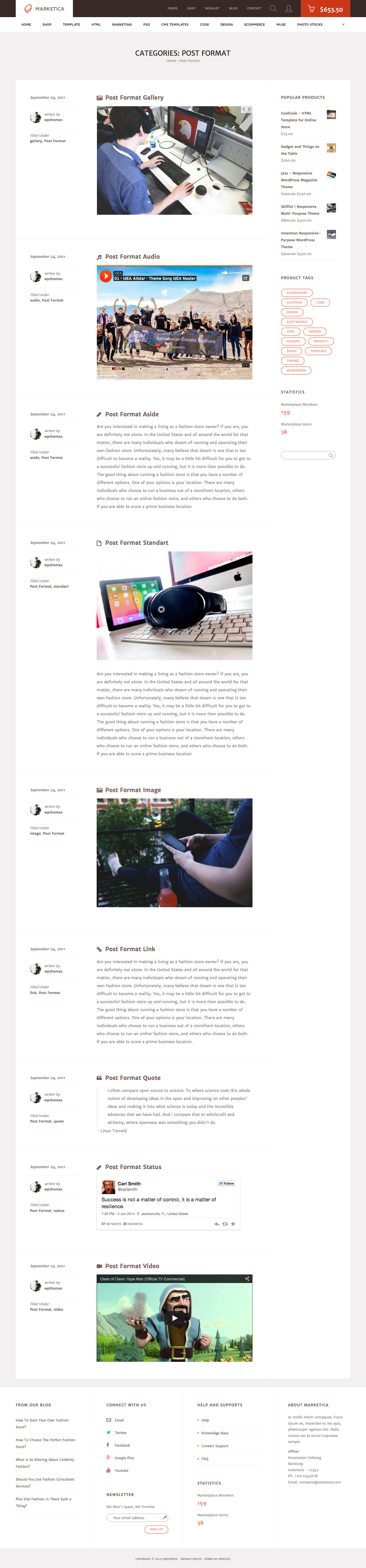
MARKETICA_PREVIEW/11_marketica2_blog_post_formats.png
MARKETICA_PREVIEW/12_marketica2_single_product_page.png
MARKETICA_PREVIEW/13_marketica2_theme_customizer.png
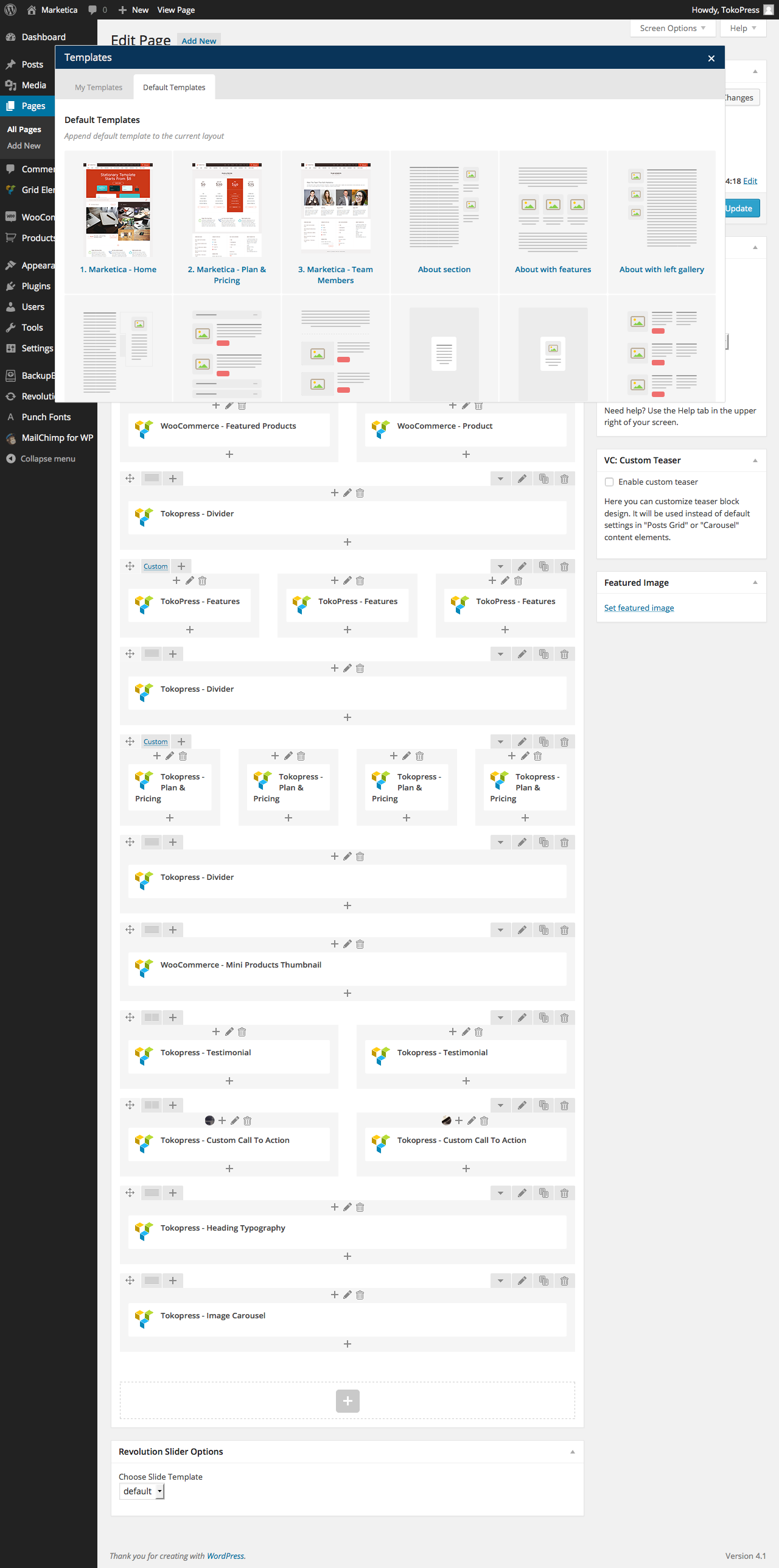
MARKETICA_PREVIEW/14_marketica2_visualcomposer_templates.png
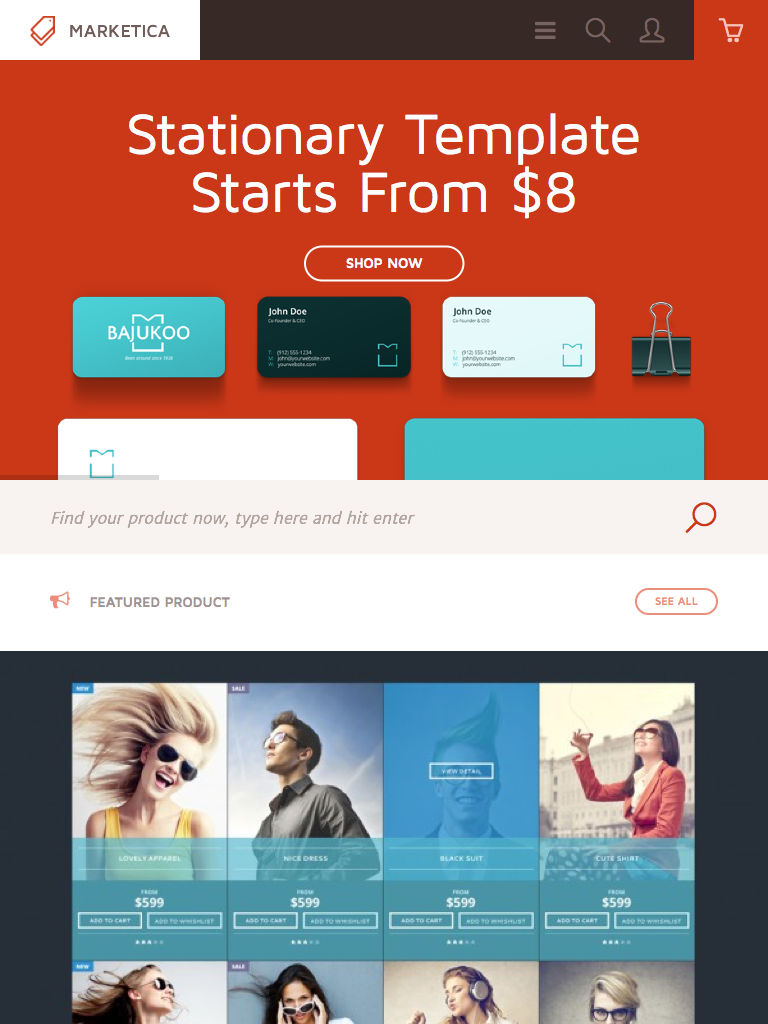
MARKETICA_PREVIEW/15_marketica2_tablet_view.png
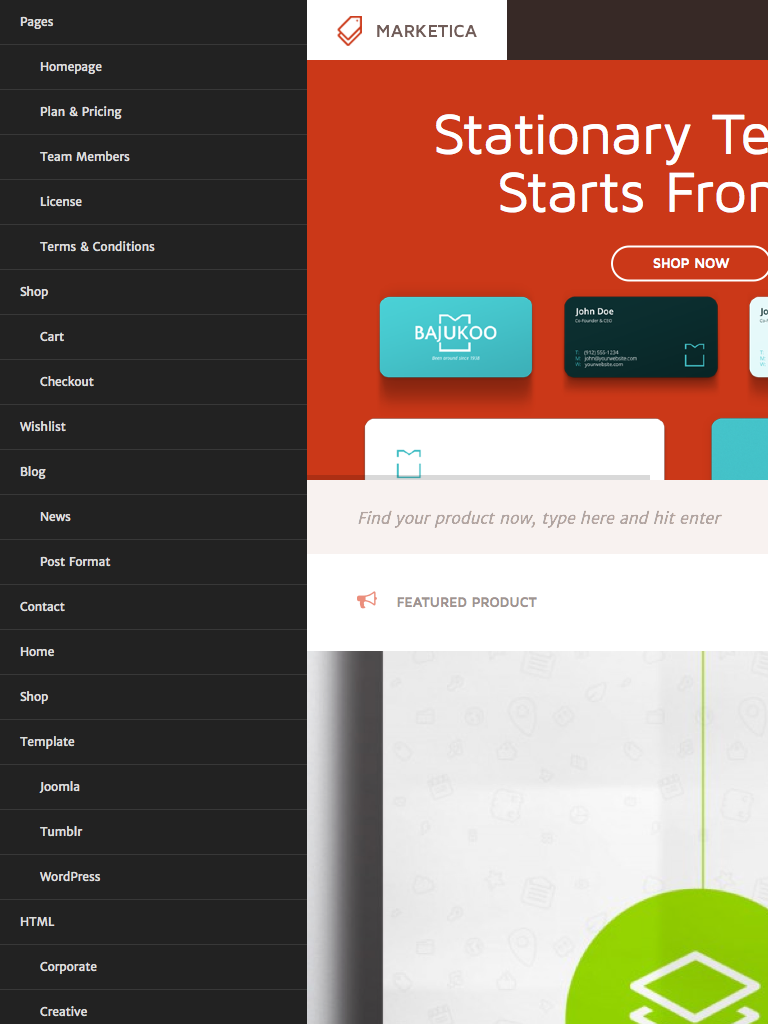
MARKETICA_PREVIEW/16_marketica2_tablet_view_offcanvas_menu.png
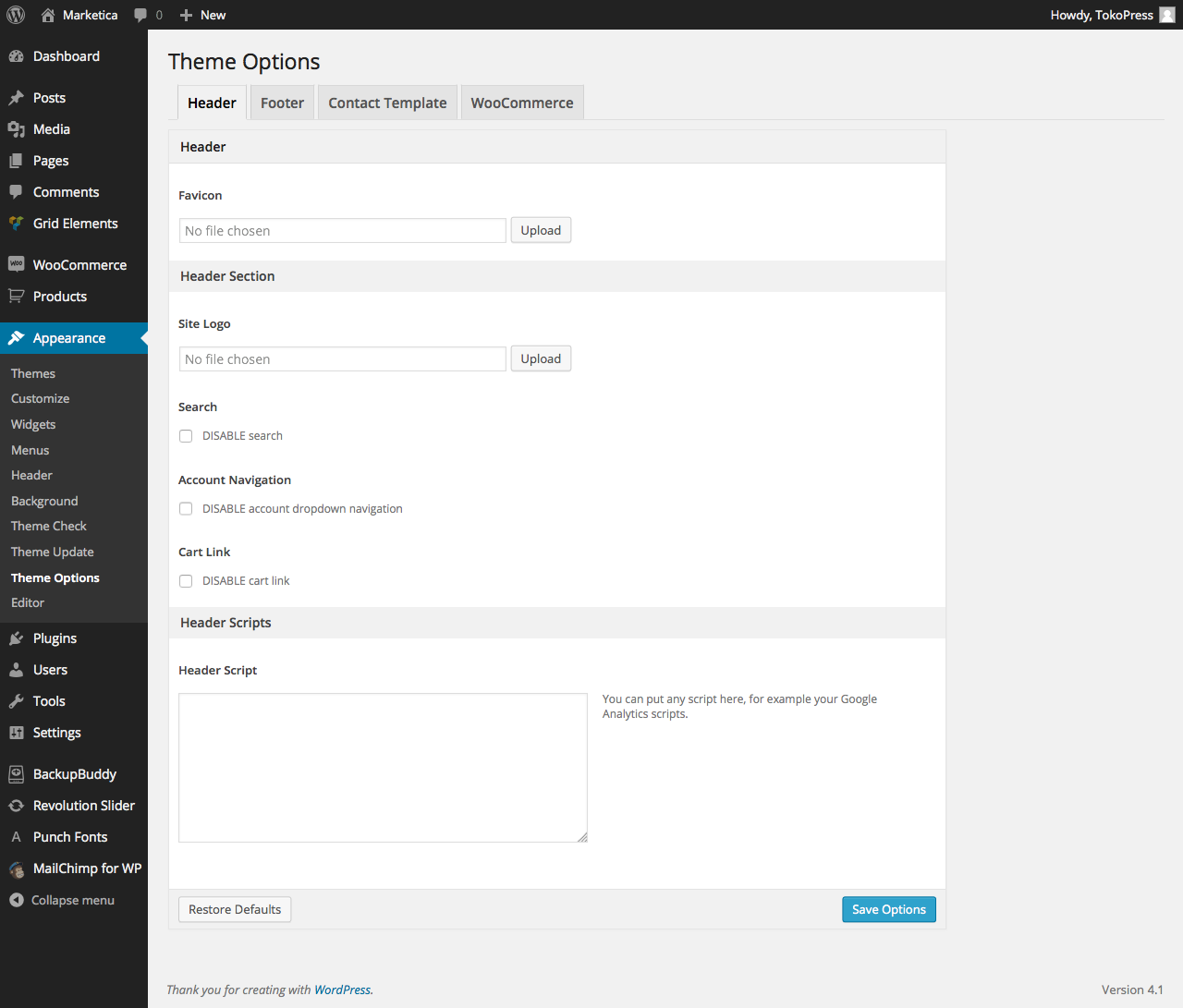
MARKETICA_PREVIEW/17_marketica2_themeoptions_header.png
MARKETICA_PREVIEW/18_marketica2_themeoptions_footer.png
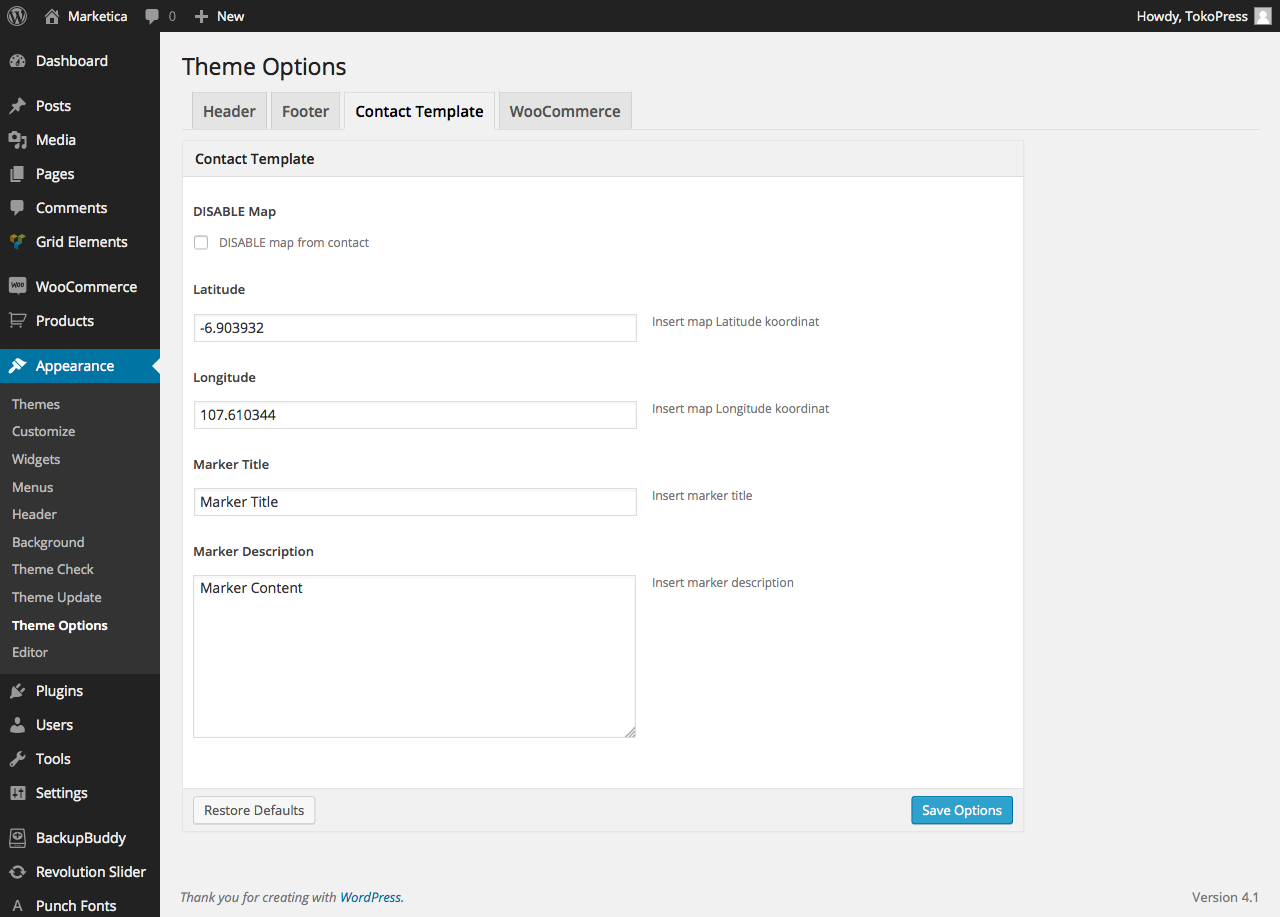
MARKETICA_PREVIEW/19_marketica2_themeoptions_contact.png
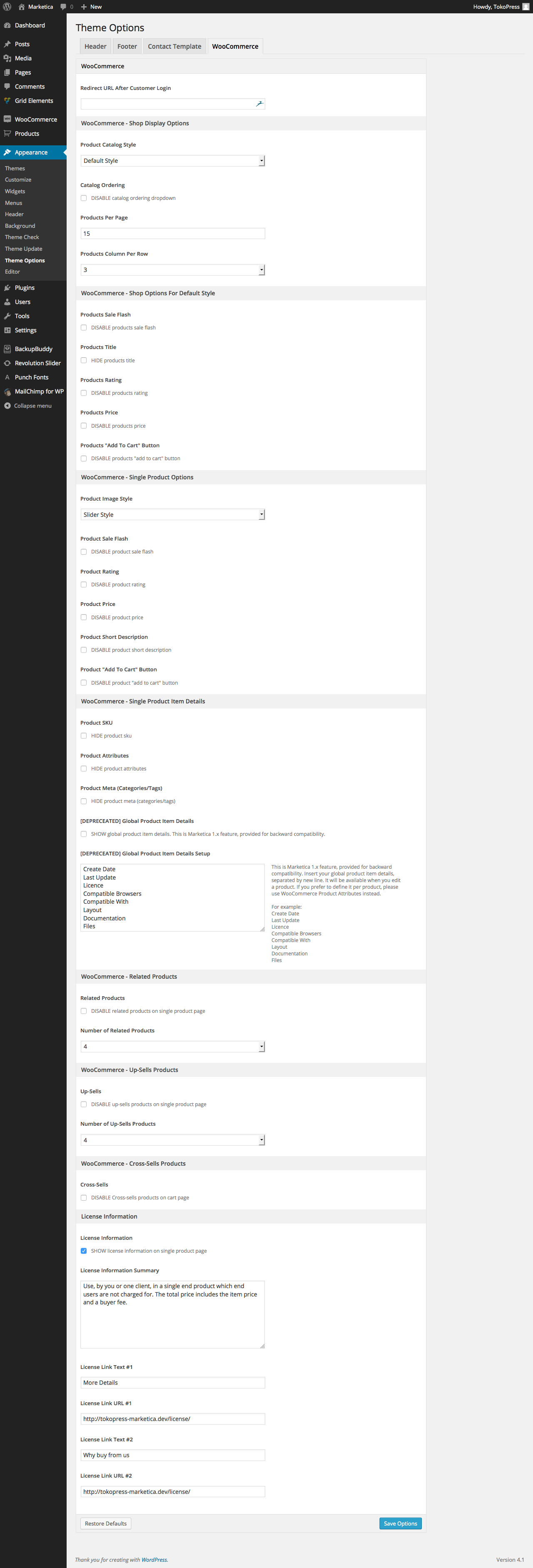
MARKETICA_PREVIEW/20_marketica2_themeoptions_woocommerce.png
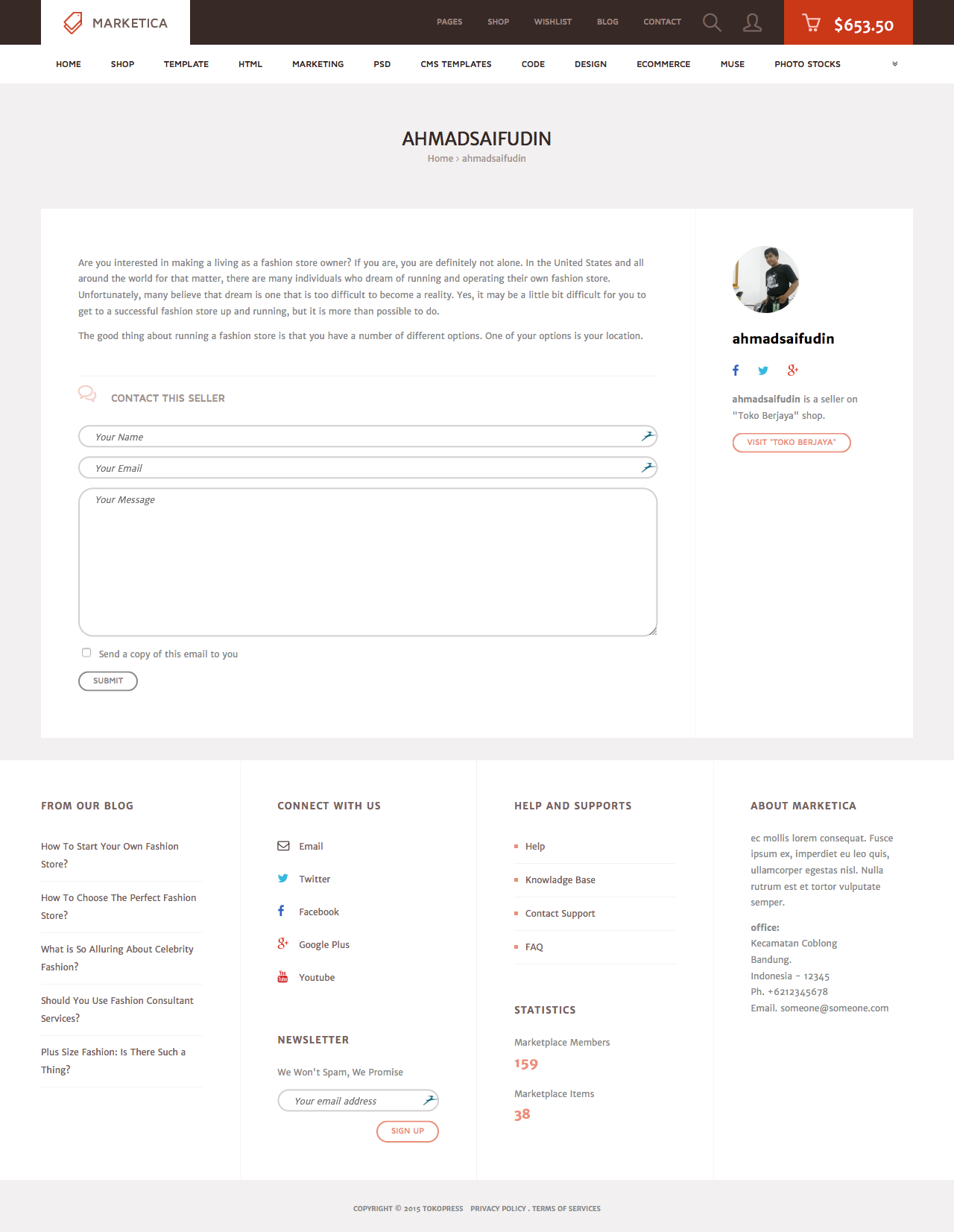
MARKETICA_PREVIEW/21_marketica2_wcvendors_user_page.png
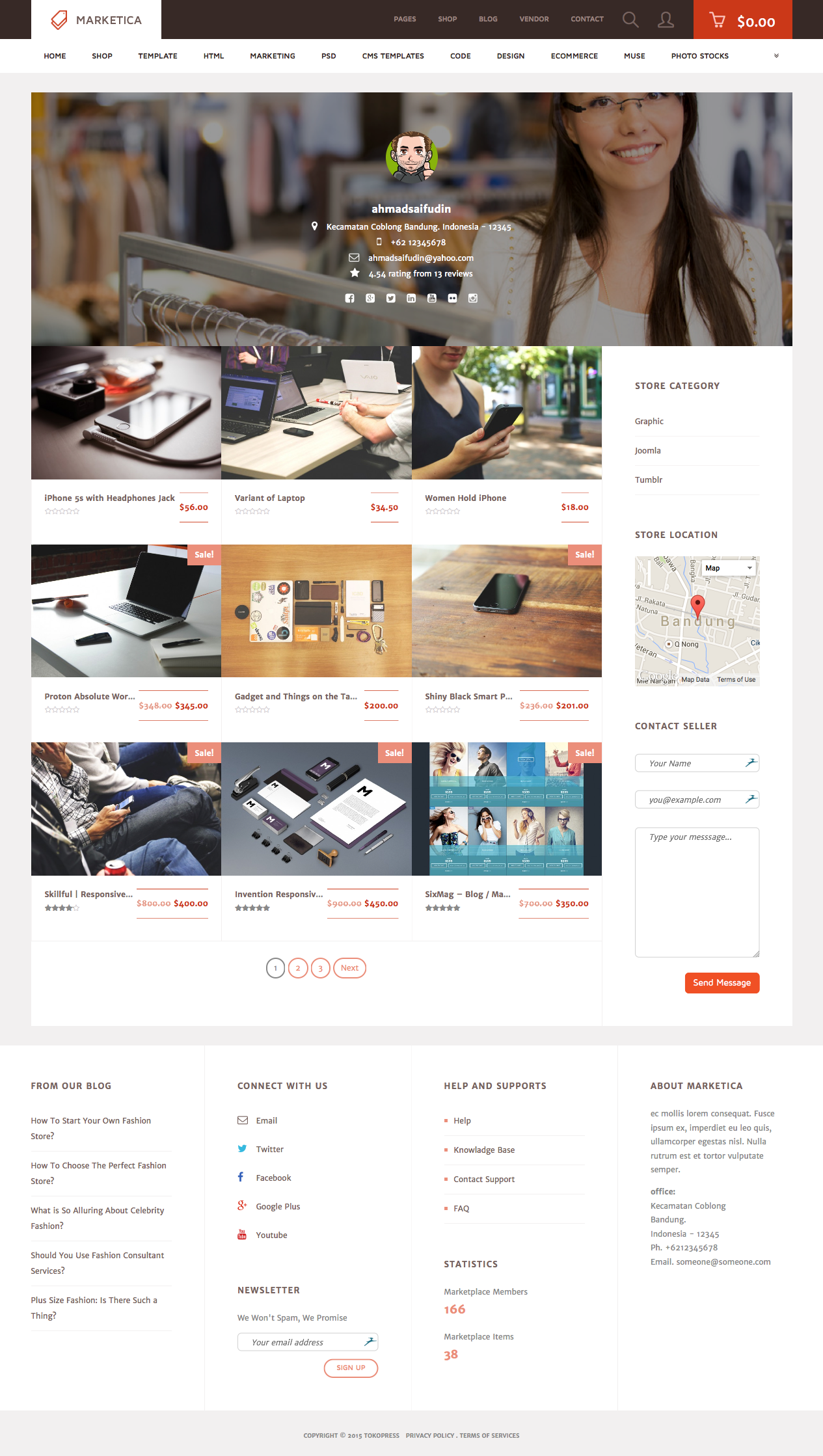
MARKETICA_PREVIEW/22_marketica2_wcvendors_vendor_page.png
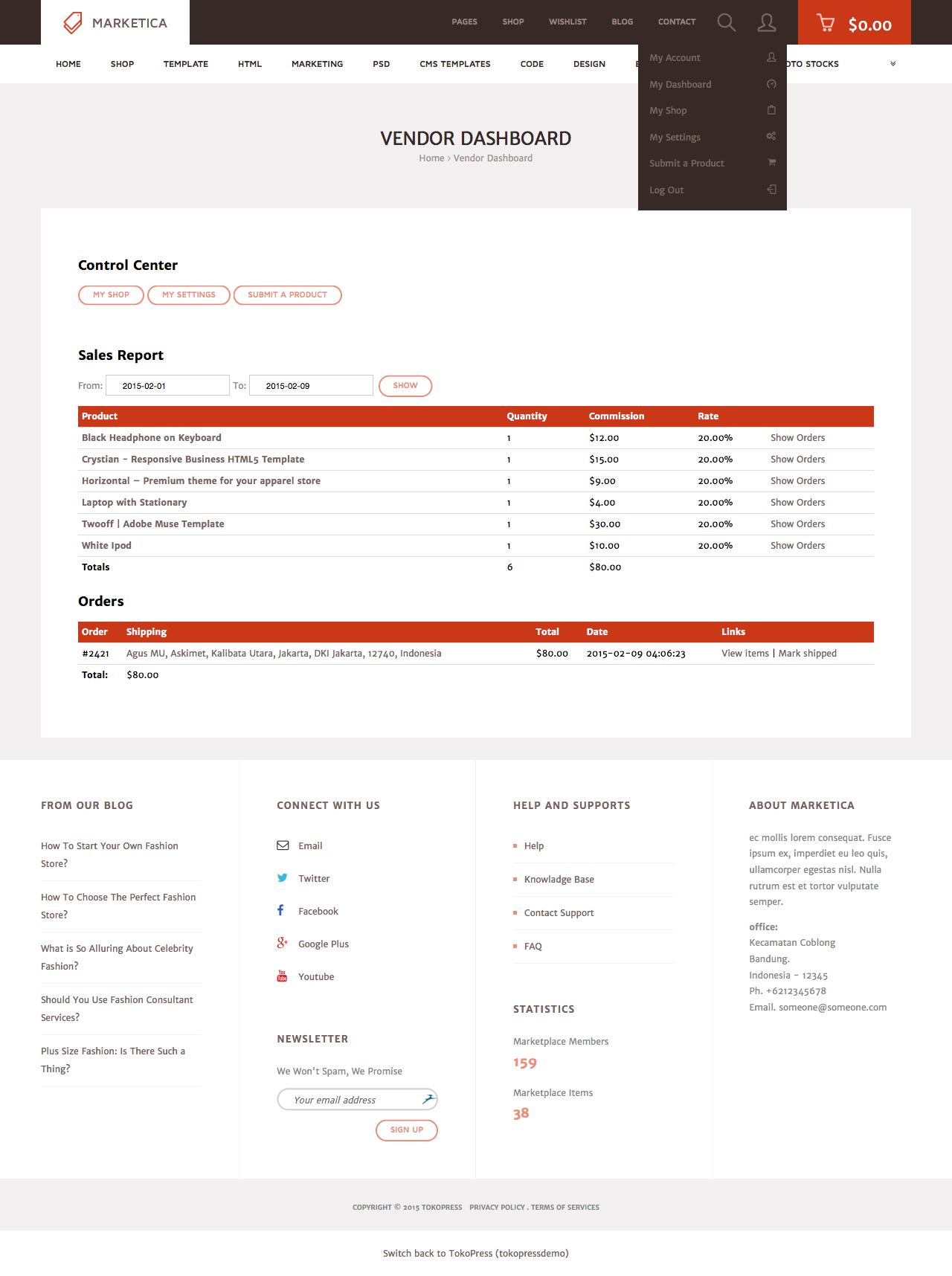
MARKETICA_PREVIEW/23_marketica2_wcvendors_vendor_dashboard.png
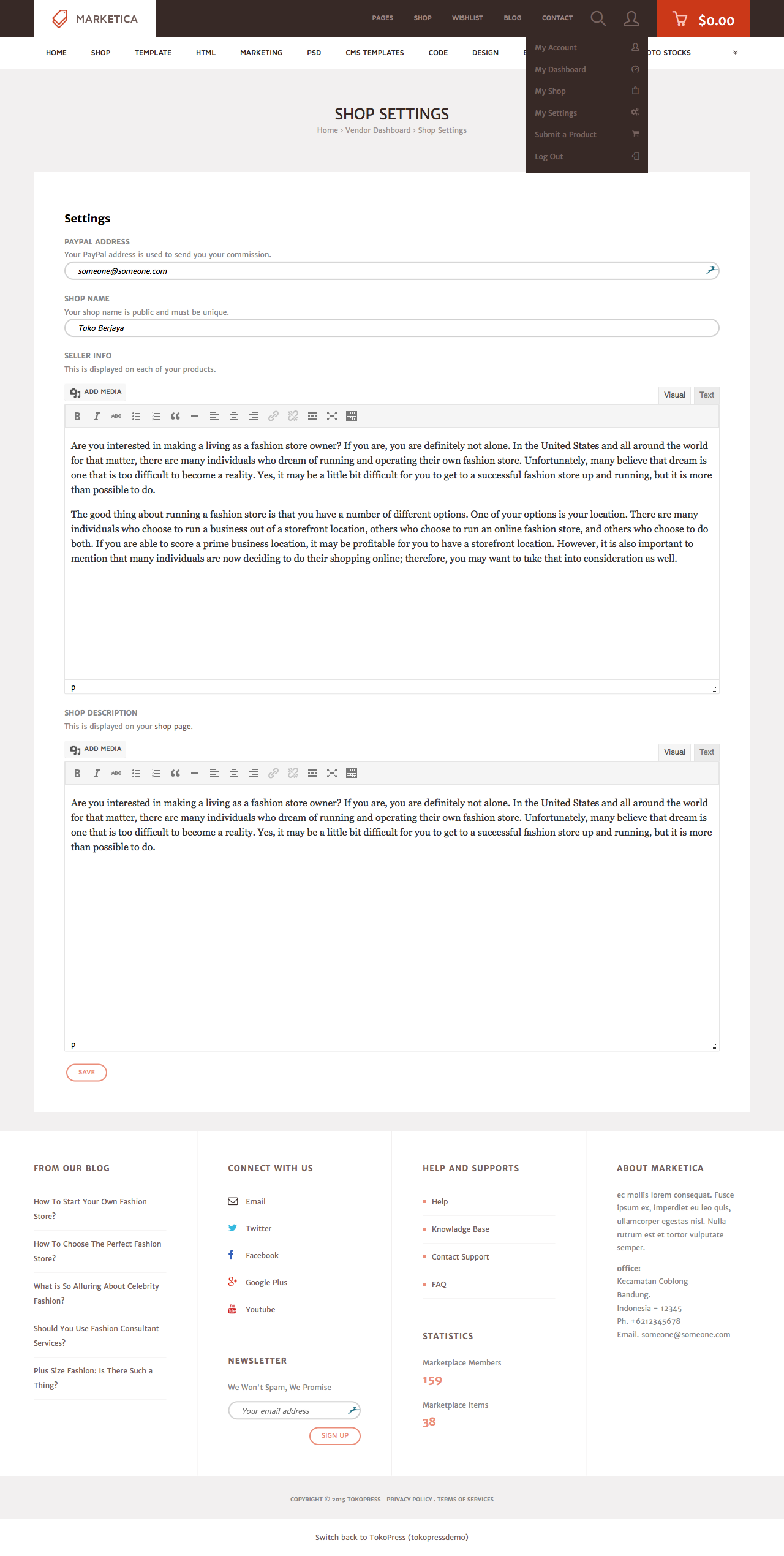
MARKETICA_PREVIEW/24_marketica2_wcvendors_shop_settings.png
MARKETICA_PREVIEW/25_marketica2_dokan_vendor_store_page.png
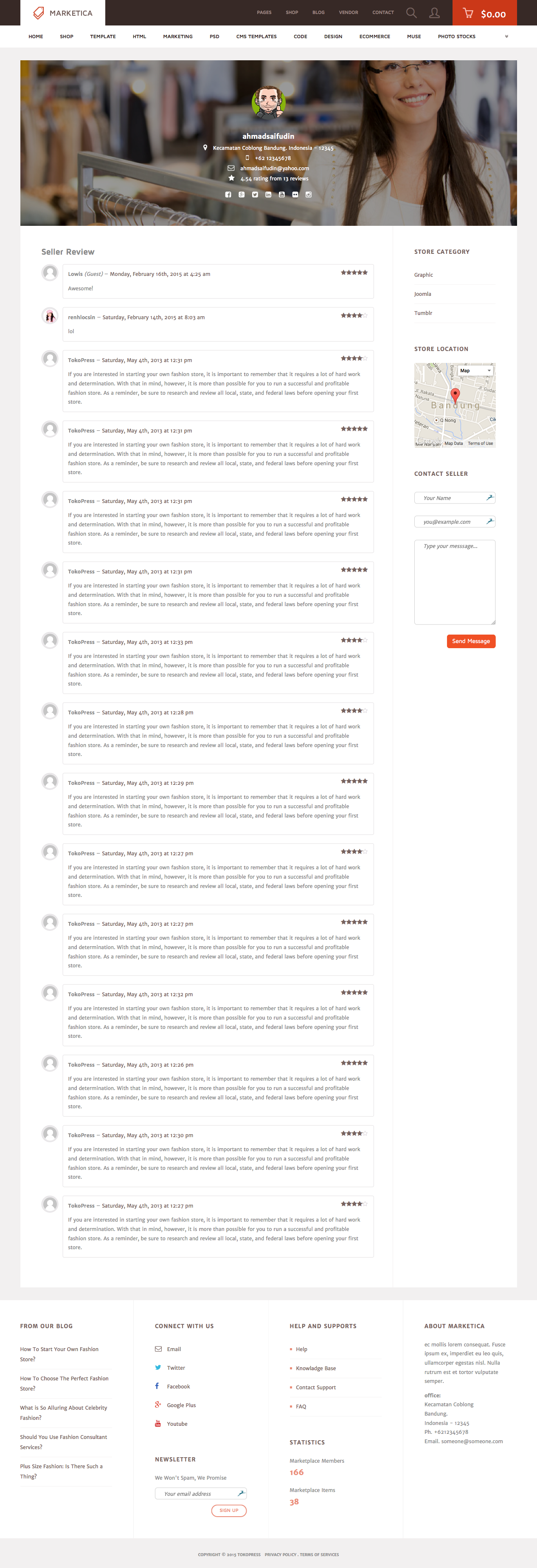
MARKETICA_PREVIEW/26_marketica2_dokan_vendor_review_page.png
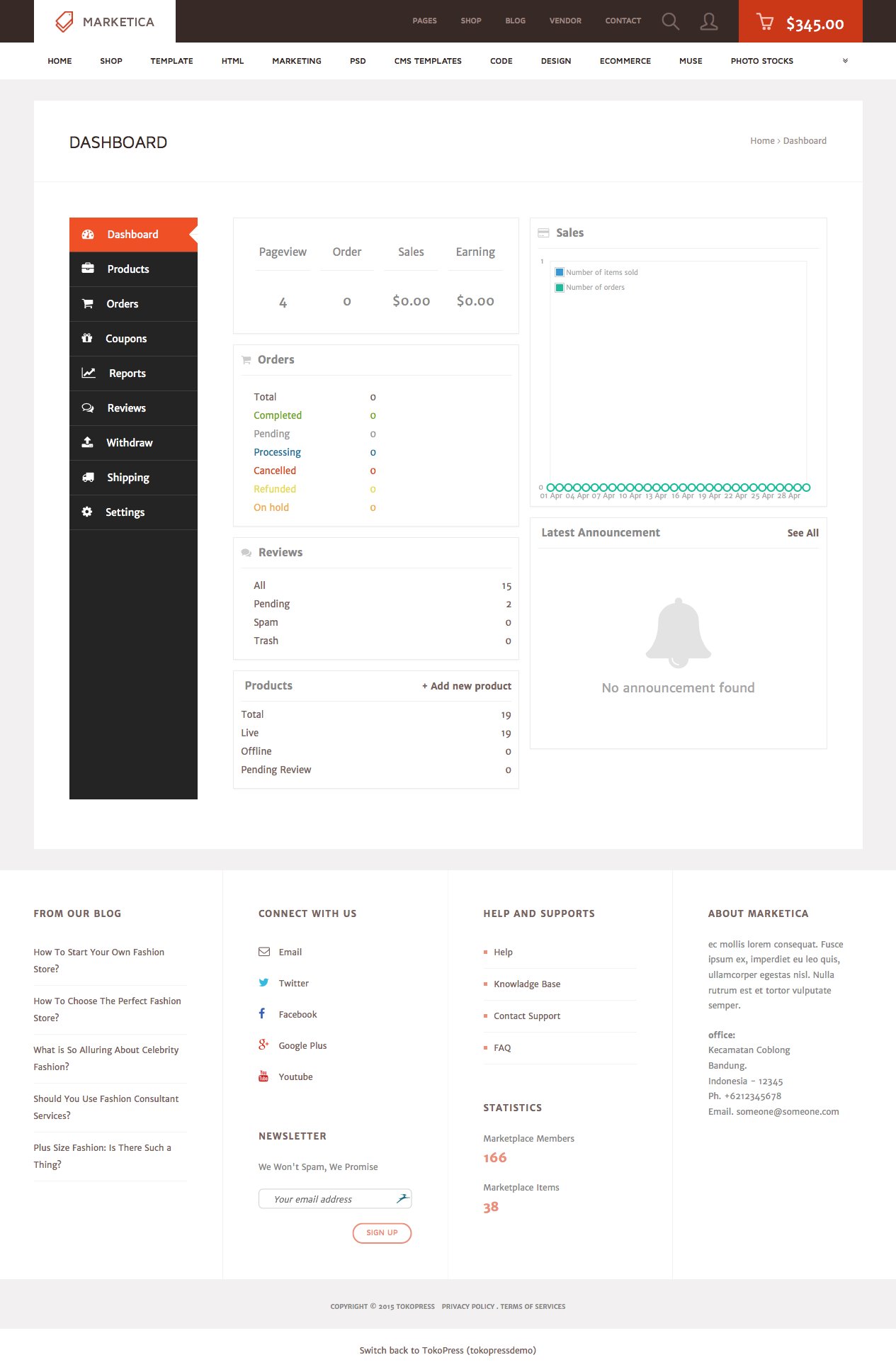
MARKETICA_PREVIEW/27_marketica2_dokan_vendor_dashboard_page.png
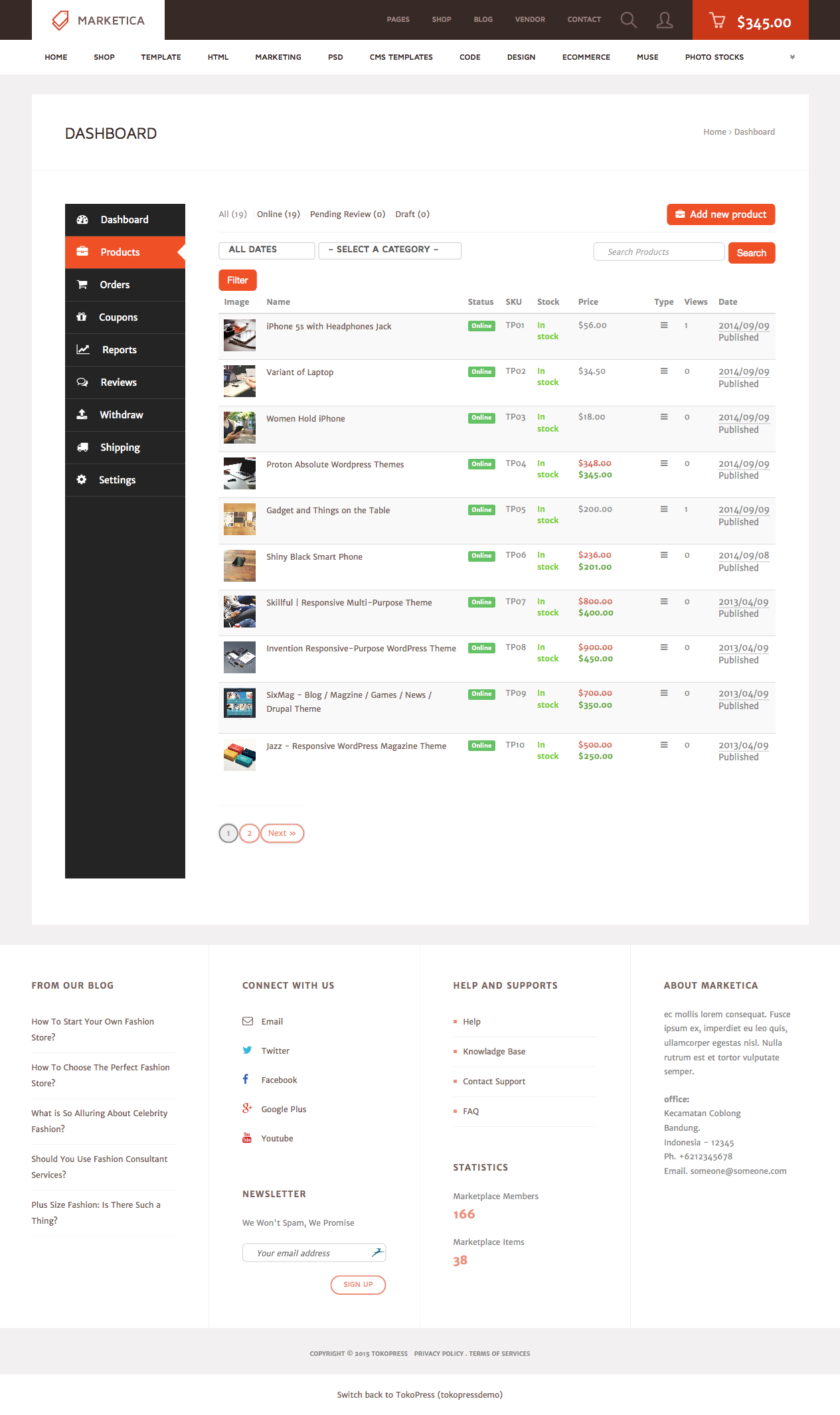
MARKETICA_PREVIEW/28_marketica2_dokan_vendor_dashboard_products_page.png
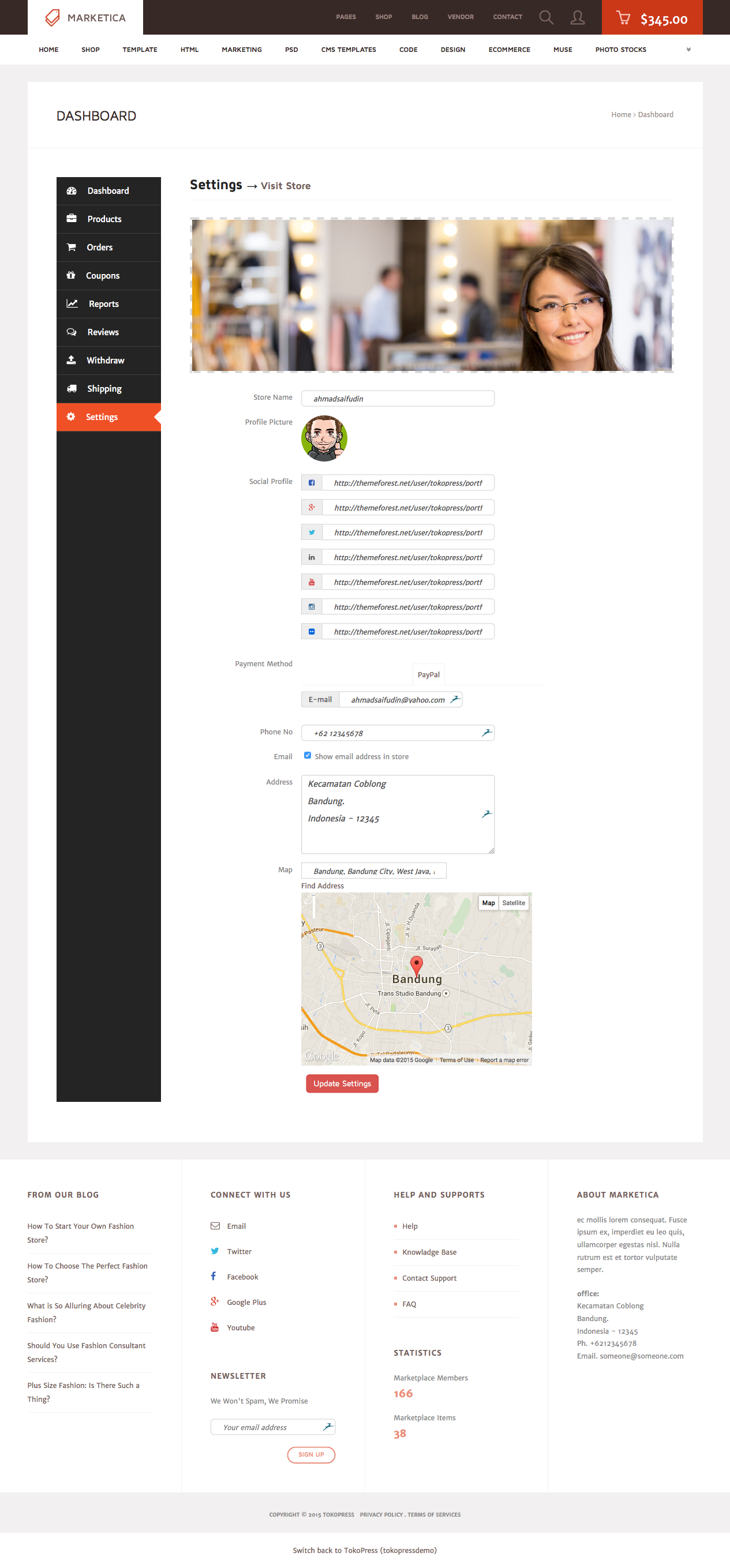
MARKETICA_PREVIEW/29_marketica2_dokan_vendor_dashboard_settings_page.png
Temukan Teror78 Sweet Bonanza
Kami hadirkan Sweet Bonanza, permainan penuh warna yang penuh dengan gulungan warna-warni dan kejutan tak terduga. Dirancang untuk menciptakan pengalaman bermain yang menyenangkan dan interaktif, judul ini memadukan desain yang ceria dengan gameplay yang lancar. Baik Anda bermain sendiri maupun bersama teman, game ini menawarkan cara yang ceria dan menyenangkan untuk menghabiskan waktu.
Mengapa Gamer Memilih Sweet Bonanza dari Kami?
Gamer tertarik karena menggabungkan hiburan, komunitas, dan akses mudah. Platform ini memastikan pemain mendapatkan keseruan dan navigasi yang lancar.
Bersama-sama, fitur-fitur ini menjadikan Sweet Bonanza pilihan utama bagi mereka yang menginginkan gameplay yang dinamis dengan sentuhan sosial.